

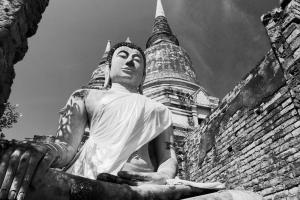

เป็นวัดเก่าอีกวัดหนึ่งซึ่งสร้างในสมัยอยุธยาตอนต้น พงศาวดารฉบับพระราชหัตถเลขากล่าวว่าเดิมชื่อ วัดป่าแก้ว หรือ วัดเจ้าไท สร้างขึ้นในบริเวณที่ปลงศพเจ้าแก้วกับเจ้าไทย พระราชโอรสของพระเจ้าอู่ทอง ซึ่งสิ้นพระชนม์ในคราวเกิดโรคระบาด วัดนี้มีความสำคัญเพราะเป็นวัดของสงฆ์ฝ่ายอรัญวาสี มีพระวันรัตน์เป็นหัวหน้าคณะ คู่กับพระพุทธโฆษาจารย์ แห่งวัดพุทไธศวรรย์ ซึ่งเป็นฝ่ายคามวาสี
เมื่อเข้าสู่บริเวณวัด ก็จะพบพระเจดีย์ขนาดสูงใหญ่สะดุดตา พระเจดีย์องค์นี้ชื่อว่า “เจดีย์ชัยมงคล” เป็นเจดีย์ทรงระฆังตั้งอยู่บนฐานบัลลัง
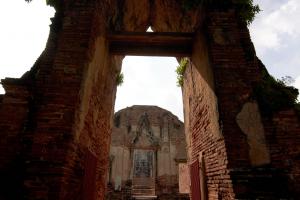
เป็นหนึ่งในวัดใหญ่และเก่าแก่ที่สุดในอยุธยา ตามพระราชพงศาวดารกรุงศรีอยุธยาระบุว่า สมเด็จพระบรมราชาธิราชที่ 2 (เจ้าสามพระยา) โปรดเกล้าฯ ให้สร้างวัดราชบูรณะขึ้นในปี พ.ศ. 1967 ตรงบริเวณที่ถวายพระเพลิงพระศพเจ้าอ้ายพระยาและเจ้ายี่พระยา พระเชษฐาของพระองค์ ที่สิ้นพระชนม์จากการรบเพื่อแย่งชิงราชสมบัติกัน
เมื่อเข้าสู่บริเวณวัดจะเห็นว่ามีแผนผังการก่อสร้างเป็นคติสมัยอยุธยาตอนต้นเหมือนที่วัดมหาธาตุ นั่นคือการวางตำแหน่งให้พระวิหารอยู่ด้านหน้าปรางค์ประธาน โดยมีพระอุโบสถอยู่ด้านหลัง และทั้งหมดอยู่ในแนวระนาบเดี
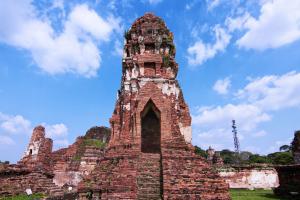
เป็นวัดที่มีมาก่อนการสถาปนากรุงศรีอยุธยา สร้างขึ้นในราวพุทธศตวรรษที่ 17 เรียกว่าวัดหน้าพระธาตุ หรือวัดมหาธาตุ ตามธรรมเนียมโบราณถือว่าวัดมหาธาตุเป็นแกนหลักของเมือง ดังปรากฏมีวัดมหาธาตุสร้างขึ้นเป็นวัดประจำเมืองต่างๆหลายแห่ง
พระปรางค์วัดมหาธาตุเป็นคติการสร้างปรางค์รุ่นแรกของอุษาคเนย์ ซึ่งเป็นการเลียนแบบการสร้างปราสาทหินแบบเขมรโบราณ เราจึงสามารถพบศิลปะพระปรางค์มหาธาตุได้เฉพาะในประเทศไทยเท่านั้น
ในช่วงตอนต้นกรุงศรีอยุธยา วัดมหาธาตุถือเป็นศูนย์กลางสำคัญของเมือง เป็น 1 ใน
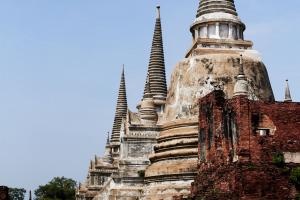
วัดพระศรีสรรเพชญ์เดิมเป็นพระราชวังที่ประทับซึ่งสมเด็จพระรามาธิบดีที่ 1 (พระเจ้าอู่ทอง) ทรงสร้างขึ้น ต่อมาพ.ศ. 1991 ในรัชกาลสมเด็จพระบรมไตรโลกนาถ โปรดให้ย้ายพระราชวังไปสร้างใหม่ทางด้านริมแม่น้ำลพบุรี และอุทิศพระราชวังเดิมให้เป็นวัดส่วนพระองค์ของพระมหากษัตริย์จึงไม่มีพระสงฆ์จำพรรษา แต่ใช้เป็นสถานที่ประกอบพระราชพิธีสำคัญทางศาสนา และพระราชพิธีอื่นๆ ของรัฐ อาทิ พระราชพิธีถือน้ำพระพิพัฒน์สัตยา หรือเสด็จออกบำเพ็ญพระราชกุศลในวโรกาสต่างๆ เช่นเดียวกับ วัดพระศรีรัตนศาสดาราม ในกรุงเทพฯ นอกจากนี้ยังเป็
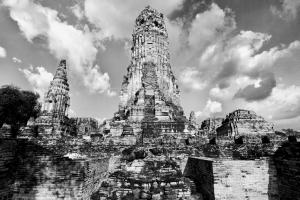
วัดพระรามเป็นวัดที่ใหญ่โตกว้างขวาง มีพระปรางค์ขนาดใหญ่เห็นเด่นชัดแต่ไกล องค์ปรางค์ก่อด้วยอิฐสอปูน เป็นสถาปัตยกรรมสมัยอยุธยาตอนต้นที่นิยมทำเป็นพระปรางค์ เพราะได้รับอิทธิพลแบบเขมรโบราณจากเมืองละโว้ (ลพบุรี)
ด้านหน้าวัดเป็นบึงน้ำขนาดใหญ่ มีชื่อว่า บึงพระราม เดิมชื่อ บึงชีขันหรือหนองโสน เป็นหนองน้ำที่มีมาก่อนการสถาปนากรุงศรีอยุธยา ในตำนานกล่าวว่า สมเด็จพระเจ้าอู่ทองทรงอพยพผู้คนหนีภัยโรคระบาดมาอยู่ที่ริมบึงแห่งนี้
วัดพระรามสร้างขึ้นในสมัยสมเด็จพระราเมศวร ในบริเวณที่เคยเป็นที่ถวายพระเพลิงพระบรมศพ
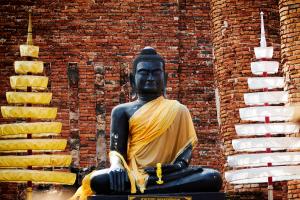
เดิมชื่อ วัดมุขราช สันนิษฐานว่าสร้างขึ้นก่อนการสถาปนากรุงศรีอยุธยาโดยพระยาธรรมิกราช โอรสของพระเจ้าสายน้ำผึ้ง โดยสร้างขึ้นในยุคเดียวกับวัดพนัญเชิง เป็นวัดที่มีพระมหากษัตริย์จะทรงเสด็จมาฟังธรรมเป็นประจำในวันพระ และเป็นสถานที่สอบเปรียญธรรมสำหรับพระสงฆ์ในสมัยโบราณ
วัดธรรมิกราชมีเรื่องราวเกี่ยวข้องกับกษัตริย์อยุธยาหลายพระองค์ เช่น ในสมัยปลายอยุธยา สมเด็จเจ้าฟ้าอุทุมพรทรงผนวชที่วัดนี้พร้อมด้วยมหาดเล็กชื่อ หง ซึ่งต่อมาได้เข้าร่วมกับพระยาตากจนได้รับพระราชทานเป็นพระยาเพชรพิชัย
เมื่อเข้าสู่บริเวณวัดแล
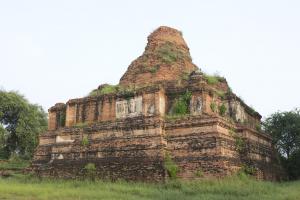
ในอดีตเป็นเพียงวัดร้าง ตั้งอยู่ริมถนนโดยไร้คนสนใจ นอกจากรู้เพียงว่าเป็นวัดร้างแห่งหนึ่งในจำนวนหลายแห่งรอบเกาะเมืองอยุธยาเท่านั้น ทว่าวัดขุนเมืองใจก็เป็นวัดสำคัญอีกแห่งที่น่าไปชม เพราะหลักฐานจากซากโบราณสถานที่เหลืออยู่สามารถบอกเรื่องราวได้ว่า วัดนี้มีมาแต่ยุคเมืองอโยธยาศรีรามเทพนคร ก่อนการสถาปนากรุงศรีอยุธยา และคงได้รับการบูรณะซ่อมแซมเรื่อยมา วัดขุนเมืองใจ จึงเป็นวัดที่มีการสร้างซ้อนทับกันหลายยุคสมัย ตั้งแต่ยุคต้นอยุธยาจนถึงยุคปลายอยุธยา จนกระทั่งถูกทิ้งร้างไปหลังการเสียกรุงศรีอยุธยาในปี พ.ศ. 231
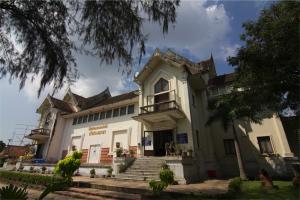
พิพิธภัณฑ์แห่งนี้สร้างด้วยเงินจากประชาชนที่ได้เช่าพระพิมพ์ซึ่งกรมศิลปากรขุดได้จากกรุวัดราชบูรณะเมื่อปีพ.ศ. 2502 ประกอบกับวัตถุโบราณวัตถุสำคัญล้ำค่าจำนวนมากที่พบตามโบราณสถานต่างๆ ทั่วพระนครศรีอยุธยา จำเป็นต้องมีที่เก็บรักษาและจัดแสดง จึงทำให้พิพิธภัณฑ์อันทรงคุณค่าแห่งนี้เกิดขึ้นและเปิดให้เข้าชมอย่างเป็นทางการเมื่อ 26 ธันวาคม พ.ศ. 2504 โดยตั้งชื่อตามพระนามของผู้สถาปนาวัดราชบูรณะคือ สมเด็จเจ้าสามพระยา
ส่วนจัดแสดงมี 3 อาคาร คือ หมู่อาคารเรือนไทย เป็นรูปแบบเรือนไทยภาคกลาง จัดแสดงสิ่งของเครื่องใช้ต่า
- ‹ previous
- 5 of 6
- next ›